
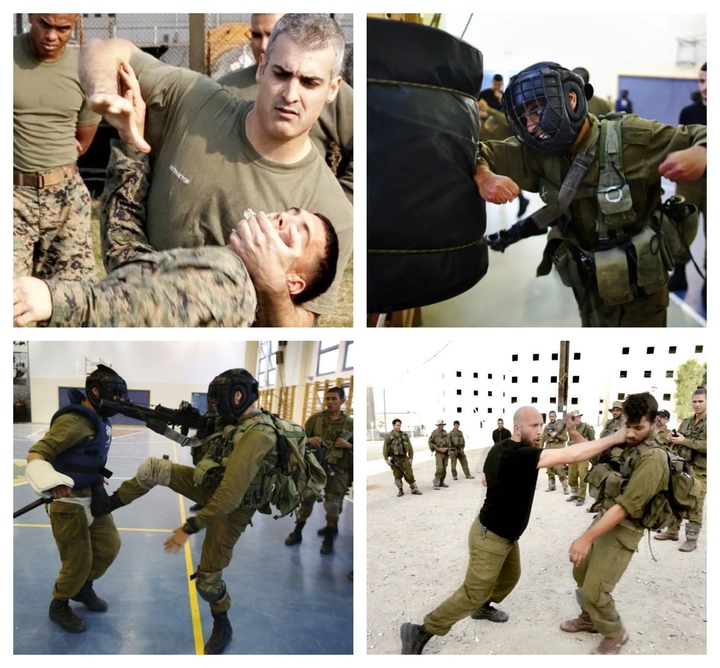
Why the World’s “Most Dangerous Martial Art” Is Banned in MMA
12 September, 2025/
When it comes to martial arts, few names carry as much fear and mystique as Krav Maga. Frequently labeled by Black Belt Magazine as the most dangerous martial art in the world — ranking above Muay Thai, Brazilian Jiu-Jitsu, and Sambo — Krav Maga is renowned for its ruthless efficiency. Yet, despite its fearsome reputation, the techniques of Krav Maga are almost entirely absent from Mixed Martial Arts (MMA). The reason: most of them are simply too dangerous to be allowed.
Origins of Krav Maga
Krav Maga was developed in the 1930s by Imi Lichtenfeld, a Hungarian-born fighter who later emigrated to Israel. Tasked with preparing soldiers in the Israel Defense Forces (IDF), Lichtenfeld created a combat system blending boxing, wrestling, judo, and street fighting. The goal was simple: neutralize threats as quickly and effectively as possible.
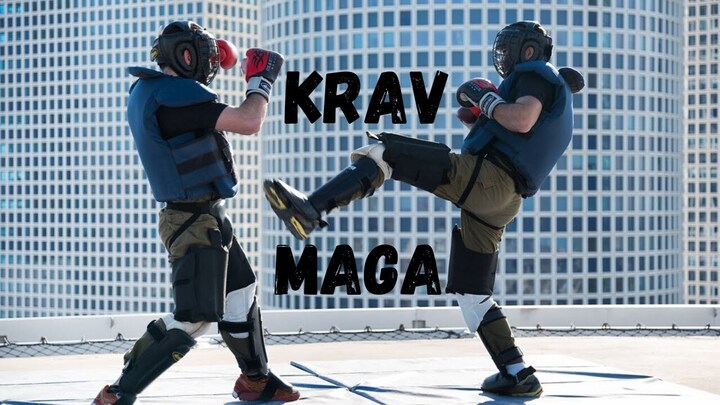
Unlike traditional martial arts, Krav Maga has no formal rules or competitive framework. As one IDF instructor explained, “Krav Maga is about survival. It’s designed to transition from being dominated to being in control — whether that means disabling the opponent or escaping entirely.”
By the 1980s, Krav Maga began spreading internationally, adopted by foreign militaries and taught to civilians for self-defense. Its practicality made it a favorite among celebrities such as Jason Statham, Jennifer Lopez, and Tom Cruise, and it has been featured in films like The Bourne Ultimatum and Taken.
Why Krav Maga Doesn’t Belong in MMA
MMA, despite its brutal image, is governed by a strict ruleset designed to protect fighters and ensure fair competition. Many of Krav Maga’s core moves directly violate those rules:
- Groin strikes: While knees are legal in MMA, strikes to the groin are banned. Krav Maga, however, encourages attacking this area at every opportunity.
- Joint and finger manipulation: Breaking fingers or bending small joints is forbidden in MMA, but Krav Maga treats these as basic techniques.
- Headbutts: An immediate disqualification in MMA, yet a common and devastating tool in Krav Maga.
- Weapons and improvised tools: Completely outlawed in sport, but central to Krav Maga training.
- Eye gouges and throat strikes: Moves that can instantly disable an opponent are strictly prohibited in MMA, but considered practical self-defense in Krav Maga.
The clash of philosophies is stark. MMA seeks victory by submission or knockout under regulated conditions. Krav Maga seeks survival — by any means necessary.

Street Fighting vs. Sport
At its core, Krav Maga is less a sport than a street-fighting survival system. Every tactic aims to inflict maximum pain, disorient, and finish an opponent as quickly as possible. That makes it highly effective for soldiers or civilians in life-or-death scenarios, but incompatible with the spirit of competition.
In MMA, fighters are trained to dominate without unnecessary cruelty; forcing a tap-out or landing a clean strike is considered enough. Krav Maga, by contrast, encourages overwhelming aggression until the opponent can no longer continue.
The Final Word
This is why Krav Maga, despite being regarded as the “world’s most dangerous martial art,” remains almost invisible inside the Octagon. Its ruthless efficiency, lack of rules, and focus on survival rather than competition put it at odds with the regulated, disciplined framework of MMA.
Simply put: Krav Maga was never designed for sport — it was designed for survival.
More in Street Fighting
Rất tiếc, chúng tôi không tìm thấy bất cứ bài viết nào. Hãy thử tìm kiếm.